Black Friday does not convert better because you discounted harder. It converts better, or fails to, because the friction you have tolerated all year finally gets expensive enough to notice. Peak traffic is a multiplier: every leak you carry into November gets multiplied by the biggest audience of the year.
Run the arithmetic once and the season changes shape. A store doing 60,000 sessions in a normal week might see three times that across the peak weekend. A checkout problem costing 40 lost orders a week is suddenly costing 120, on your highest-intent traffic, at your highest average discount. The brands that win BFCM fixed their leaks in September. This is the list, in the order we would work it.
A word on what this list is not: it is not a discounting strategy, an email calendar or an ads plan. Those all matter and all belong to other owners. This is the conversion layer only, the part that decides how much of the traffic those teams buy actually turns into orders.
The cutoff nobody writes down
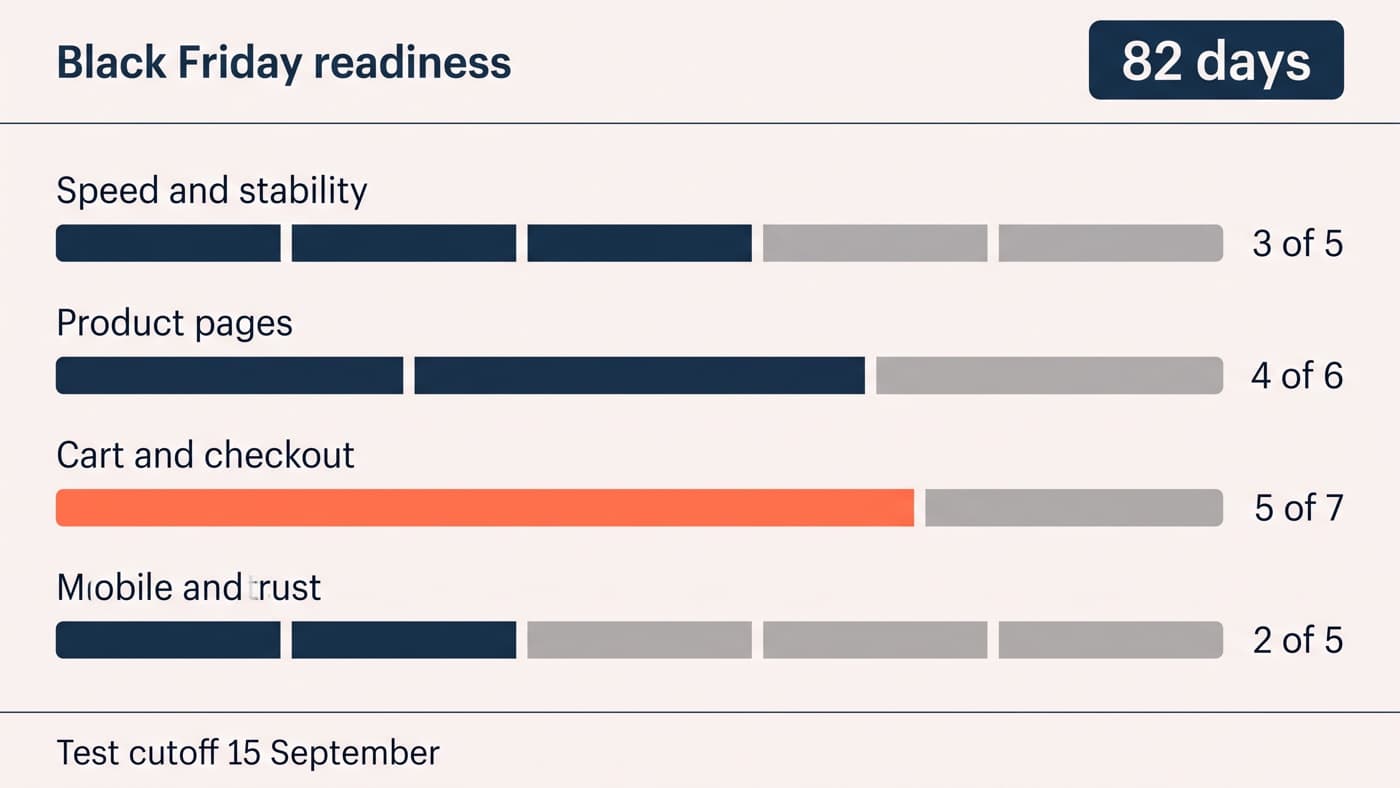
Mid-September is the last realistic date to launch a new experiment. The maths is unforgiving: a properly run test needs its full sample and duration, winners need implementing as real code rather than left running in a tool, and most stores freeze changes from early November. Miss the cutoff and the honest options are to fix obvious defects without testing, or to wait for January. Launching a test in late October so it can be half-read during the freeze is not a third option; it is how programmes generate confident nonsense.
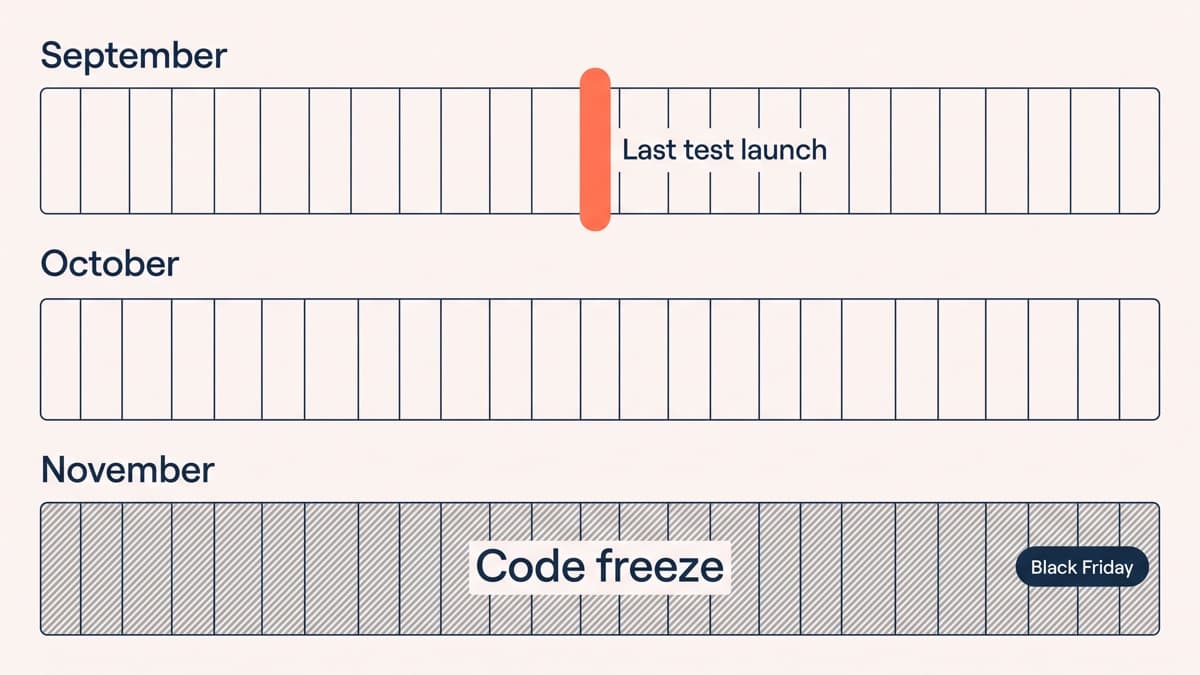
One more date worth writing down: the day you decide what a win looked like. Pick the comparison window and the metrics now, in September, before the season distorts every baseline. Peak against peak, last year against this year, margin as well as revenue. Decided in January, the analysis becomes an argument about which numbers flatter whom; decided now, it is arithmetic.
Tier one: speed and stability
Start here because it lifts everything else and takes the longest. Our page speed guide covers the method; these are the five before-November items.
- Audit and remove dead app scripts. Uninstalled apps leave JavaScript behind, and every script runs on every session of your biggest weekend.
- Compress and correctly size images sitewide, hero images first. The largest file on the page usually decides the load time.
- Test the store under load, including the theme and every app, not just the platform. Shopify holds; overloaded third-party scripts are what fall over.
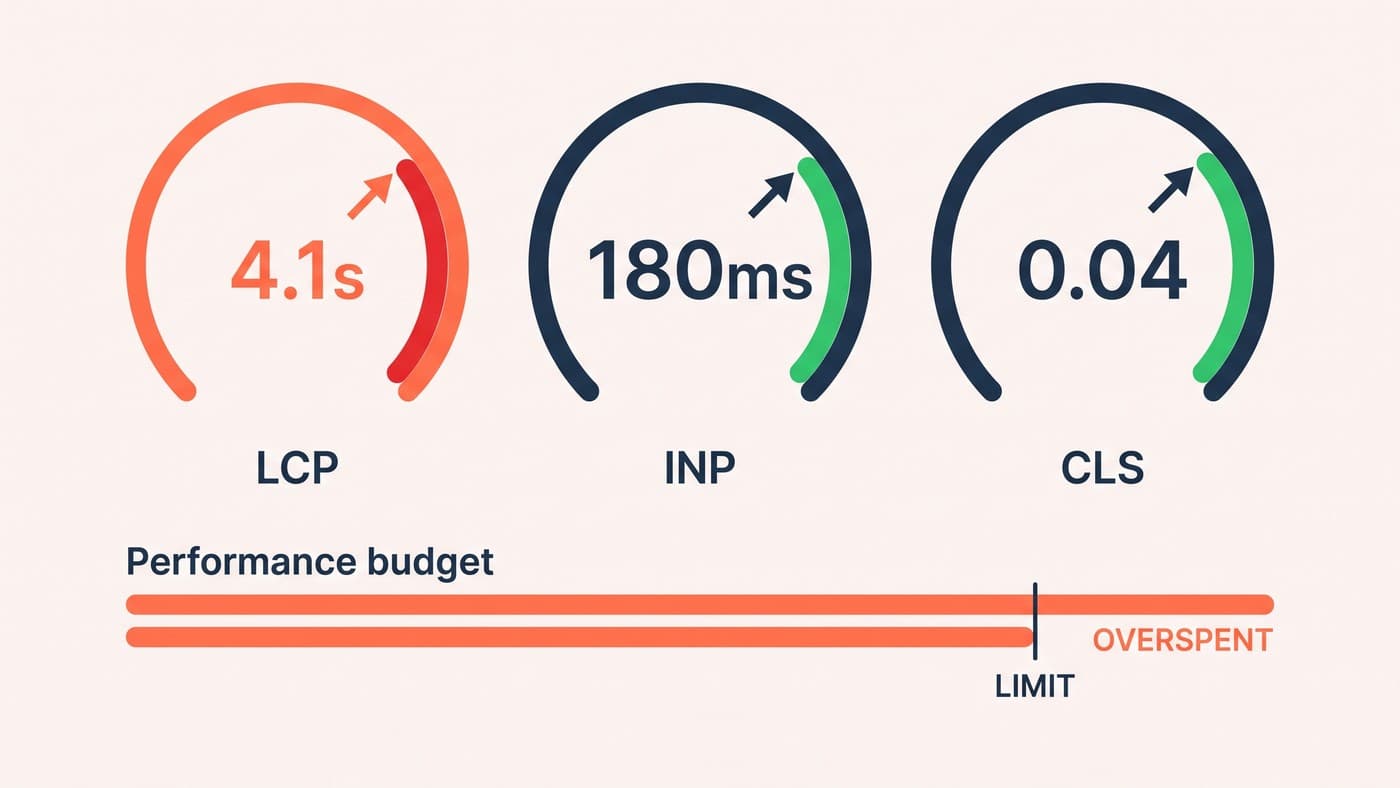
- Set a performance budget for campaign landing pages before they are built, because these get assembled in a hurry in October.
- Remove or defer every marketing pixel you no longer act on. Each one is a tax paid by every visitor for a report nobody reads.
Tier two: offer clarity on product pages
- State the discount arithmetic on the page: was, now, saving. Making people calculate is making them doubt.
- Put the delivery cutoff date for pre-Christmas arrival on every product page, and keep it updated daily. It is the most persuasive urgency you can publish, because it is true.
- Surface stock honestly on constrained items. Real scarcity converts; fake scarcity converts once.
- Check the mobile first screen carries product, price, rating and a reachable buy button with the sale messaging added, not instead.
- Pin the returns window extension, if you offer one, next to the price. December buyers are gift buyers, and gift buyers read returns terms.
- Kill every popup you can bear to. Peak sessions are short and intent is high; interruptions cost more than they capture.
Tier three: cart and checkout
Checkout is where peak stakes are highest and bravery is worst rewarded. The full method is in our checkout UX guide; the November-critical items are these.
- Show shipping costs before checkout starts, on the cart at the latest. Surprise costs are the most cited abandonment reason in every study that asks.
- Show a dated arrival estimate, not a range of working days. In December, arrival dates are the purchase decision.
- Default to guest checkout, with account creation offered after payment. Peak brings first-time buyers in their highest proportion of the year.
- State returns terms inside checkout, one line, near payment. Gift buyers abandon over uncertainty you could have answered.
- Verify every express payment option on real devices, this month. A broken wallet button on peak weekend is a five-figure defect.
- Confirm discount codes stack, apply and fail loudly. A code silently failing at the payment step is a rage-quit machine.
- Load-test checkout apps and shipping calculators. The slowest script in checkout sets the speed of your revenue.
Tier three is also where responsibility gets fuzzy, so assign it now: one named person who owns checkout health through the peak, with the authority to roll back an app update on the spot. On peak weekend, an hour of a broken wallet button costs more than the app in question earns in a year, and committees do not act in an hour.
Tier four: mobile and trust, then freeze
- Run the whole purchase on a mid-range Android over mobile data, weekly through October. Your customers do not own your test devices.
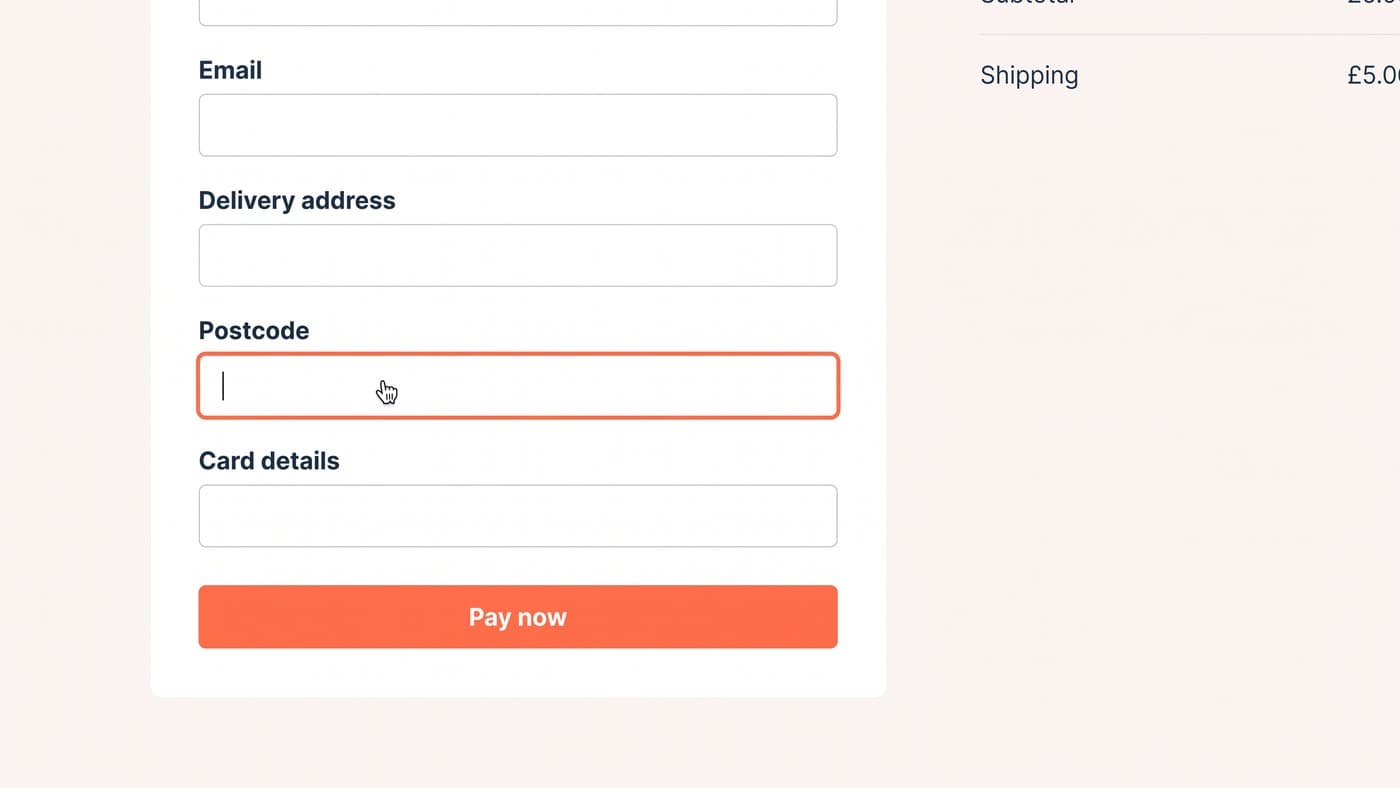
- Check tap targets and form keyboards on every checkout field. Thumbs get less accurate as baskets get more valuable.
- Put delivery, returns and guarantee reassurance back into the mobile flow at the moments of doubt, since mobile hides your sidebars.
- Verify support links and chat actually reach a human during peak hours, and say when they do not.
- Then freeze. From early November, ship nothing but defect fixes. The discipline to leave the store alone is the last item on the list and the most often failed.
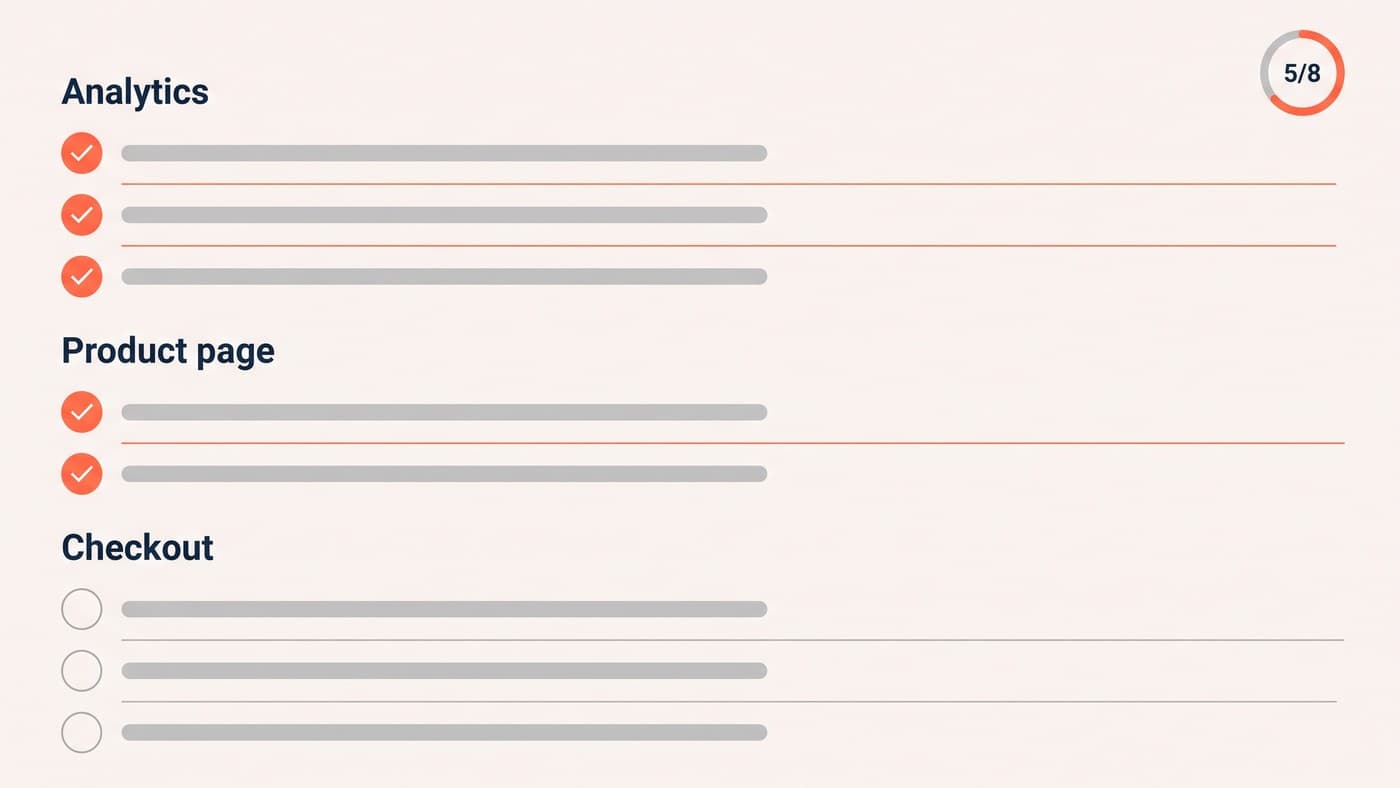
Twenty-three fixes is a September workload, not an October one, and the ordering is the point: speed lifts everything, clarity converts the traffic, checkout keeps what converted, and the freeze protects all of it. In December, do not touch anything; in January, take what peak taught you and turn it into a proper test backlog. If you want the audit version of this list run against your own store while there is still time to act on it, get in touch before October.