Every agency in this industry offers a free CRO audit, including us. Most of them are a sales deck with your logo on the cover: ten generic screenshots, a traffic-light severity scheme, and a pitch on the last slide. A real audit is a different object entirely, and you can tell the two apart in about five minutes once you know what to look for.
A CRO audit is a structured diagnosis of where a store loses the visitors it already pays for: what the analytics actually say, where the funnel leaks, what real sessions show, and which problems deserve a controlled test rather than a straight fix. Its output is not a score out of a hundred. It is a prioritised list of evidenced problems, each attached to the data that proves it exists.
What a real CRO audit contains
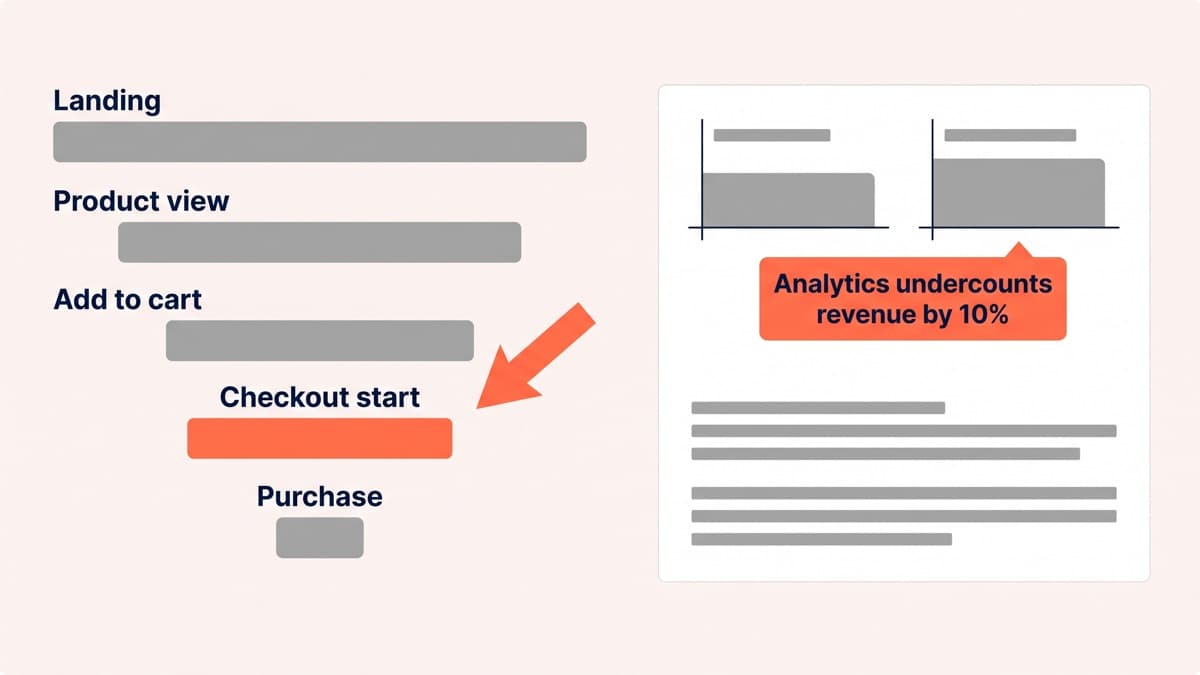
It starts in the analytics, and not at the dashboard level. Conversion split by device, channel and landing page. The funnel broken into steps, so the largest leak has a name and a percentage. And a reconciliation of what the analytics platform claims against back-office orders, because a surprising number of stores are steering by tracking that undercounts revenue by 10% or more, which quietly corrupts every decision made downstream of it.
Then it watches. Session recordings and heatmaps on the highest-traffic templates, because analytics tells you where visitors leave and recordings tell you what they were struggling with when they left. Speed gets measured on a mid-range phone over mobile data, not an office laptop on fibre. If the store runs paid traffic, the landing pages get audited against the ads that feed them.
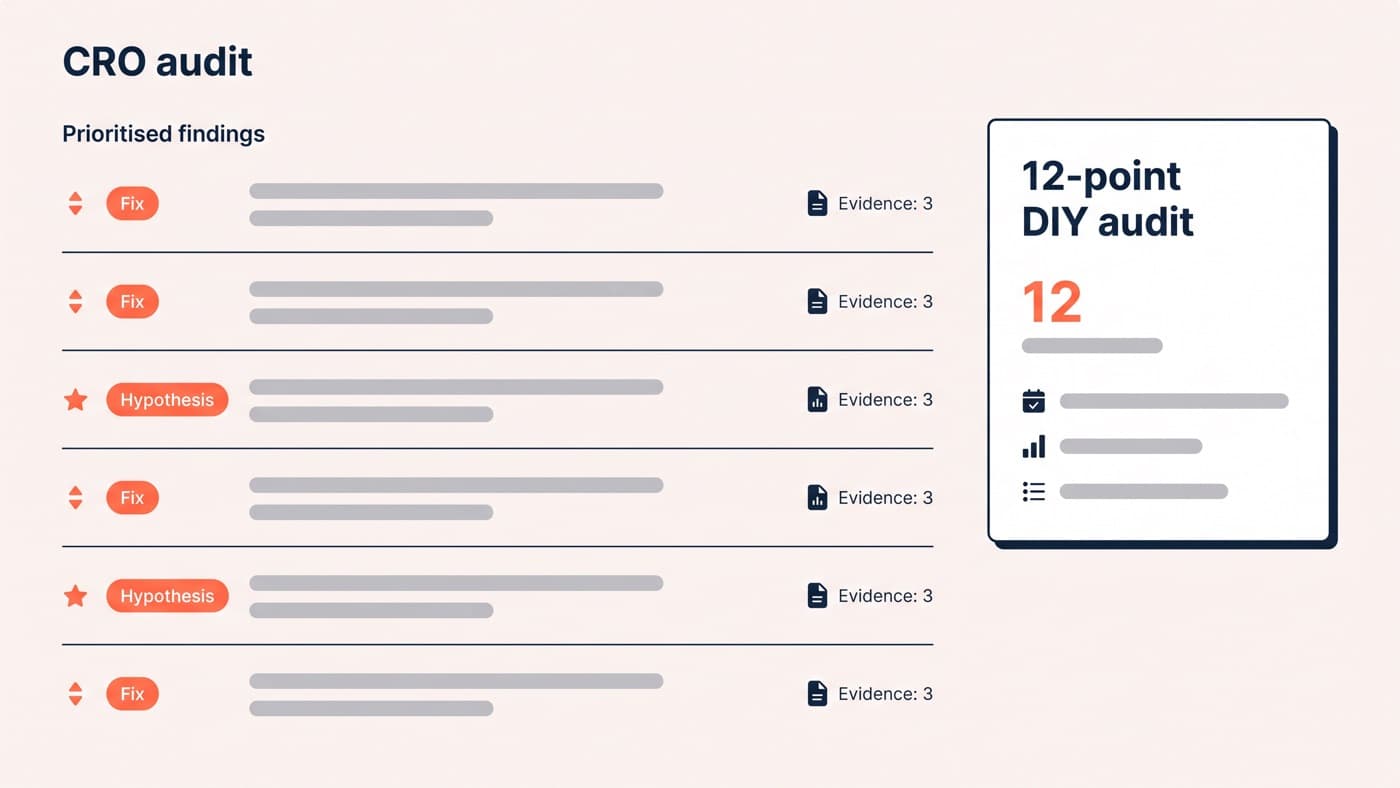
The output layer is what separates professionals from template-fillers: every finding becomes either a fix, a defect nobody needs a control group for, or a hypothesis with an expected effect and the evidence behind it. An audit that ends in forty undifferentiated recommendations has quietly handed you the hard part, deciding, back as homework.
The five-minute sales-deck check
A sales-deck audit has telltale properties. Findings phrased so generically they would apply to any store, with improve your call-to-action visibility as the classic. Screenshots but no numbers from your own analytics. No healthy findings, nothing labelled we looked at this and it is fine, which means nobody looked. And severity ratings with no stated method behind them. A real audit names numbers only your data could have produced, and tells you what it did not find as well as what it did.
None of this makes free audits worthless, and paid audits are not automatically rigorous either; we have seen four-figure reports that were sales decks with an invoice attached. The test is the same at every price: could this document have been produced without access to my data? If yes, it was.
The fastest single tell is whether anyone reconciled analytics against real orders. It sits at the top of our conversion optimisation checklist precisely because so few audits bother, and because every number in the report inherits its answer.
What a CRO audit should cost
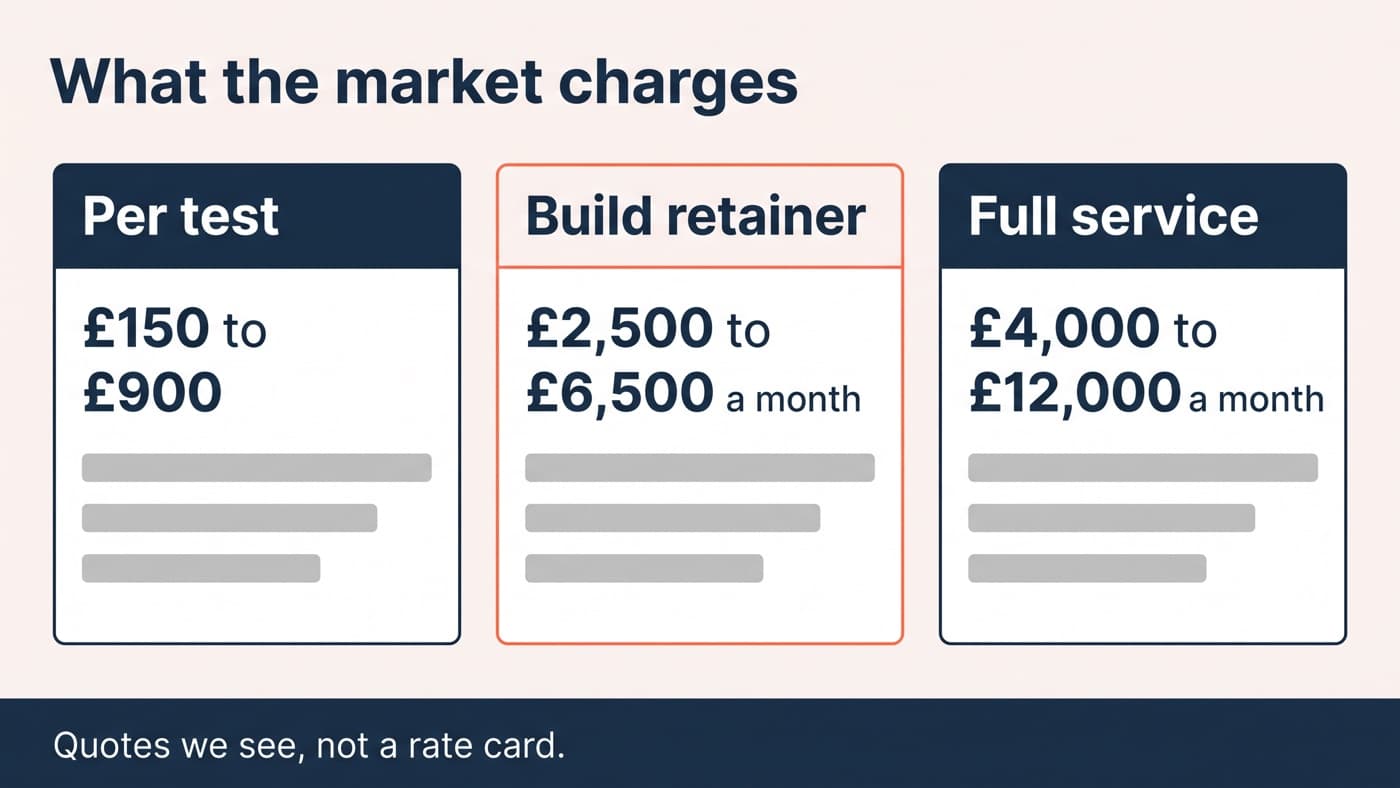
Standalone audits are quoted anywhere from a few hundred pounds to five figures, and the price mostly tracks how much primary research is included: session analysis, user testing and customer interviews cost real hours, annotated screenshots do not. Free audits are priced into something else; they exist to start a conversation, which is fine as long as you know it going in. Bundled into ongoing programmes, the full-service quotes we see run £4,000 to £12,000 a month with auditing folded in, and our guide to CRO agency pricing breaks those ranges down properly.
A useful rule at any price point: pay for research, not for opinions. An audit whose method section is longer than its recommendations section is usually the better buy.
A 12-point DIY audit you can run this afternoon
Run this before you talk to anyone, including us. It costs an afternoon, and it makes you a far better buyer of the real thing, because you will recognise which findings took genuine work.
- Reconcile analytics revenue against back-office orders for the same thirty days. A gap over 5% means every other number needs correcting first.
- Split conversion by device. Mobile converting at less than half of desktop is not a law of nature; it is your biggest single project.
- Break the funnel into steps, landing to product view to add-to-cart to checkout start to purchase, and name the largest percentage drop.
- Load your best-selling product page on a mid-range phone over mobile data and time it. Anything over three seconds is costing you orders.
- Watch ten session recordings of visitors who abandoned checkout, and write down what each one did in their final thirty seconds.
- Read your last fifty site-search queries. Search is customers typing what they want; the failed searches are a merchandising to-do list.
- Place a full-price test order on your own store, on your phone. Note every moment you hesitate, squint or scroll hunting for something.
- List the landing pages carrying your paid traffic and check whether their conversion rates justify what the clicks cost.
- Count the form fields in your checkout, then justify each one out loud to a colleague.
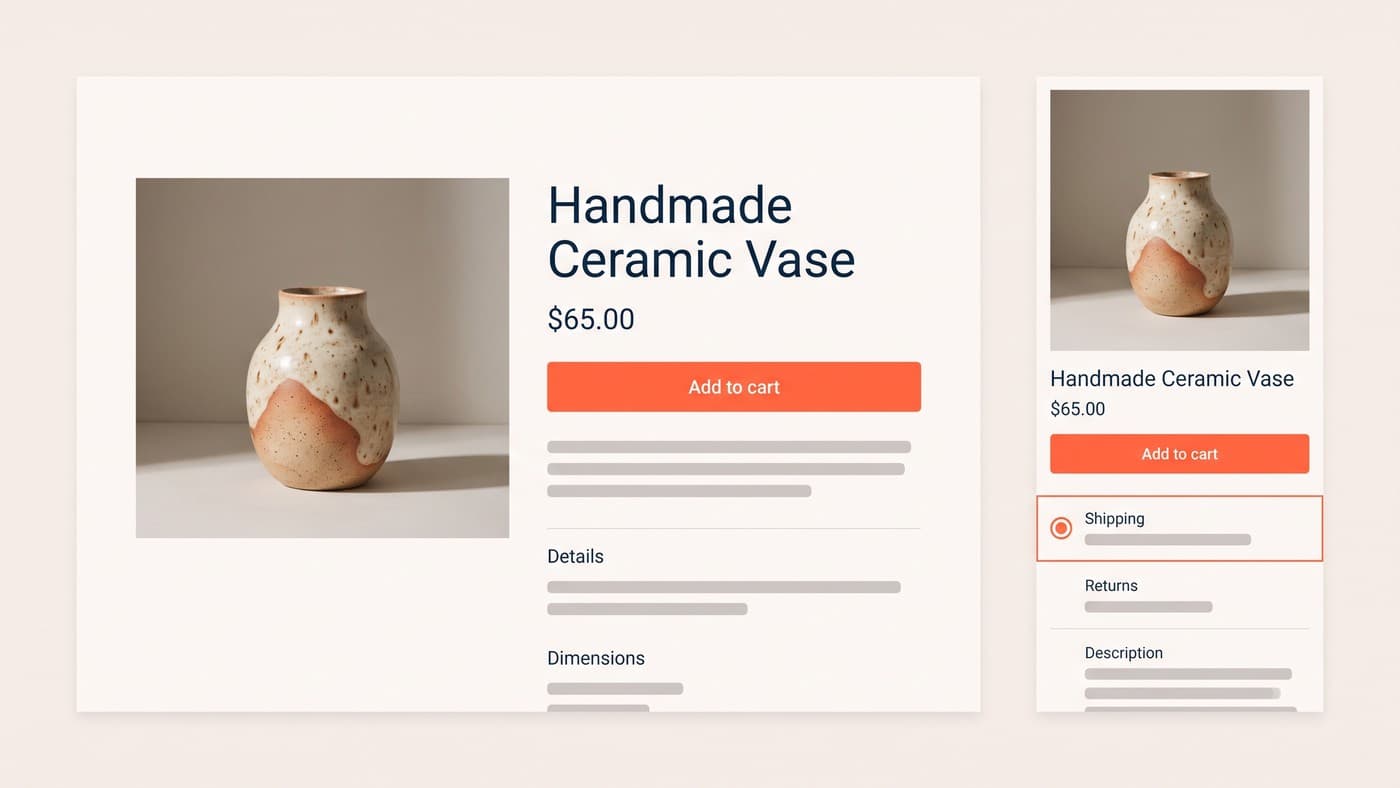
- Find your delivery costs, returns policy and dispatch times the way a first-time visitor would, and time how long it takes.
- List every app and third-party script the store loads and what each is for. The ones nobody can explain are your speed budget leaking.
- Trigger a declined payment and an out-of-stock product, and check whether each has a recovery path or a dead end.
None of this needs a specialist. What a specialist adds is the layer after: knowing which findings deserve a controlled experiment, a shorter list on a low-traffic store, sizing the likely effect, and building the test without corrupting its result.
What to demand from any free audit
If you then accept a free audit, from us or from anyone, hold it to the standard of the paid thing scaled down, not the standard of a brochure. Demand at least one number from your own data that you did not already know. Demand a stated method: what was examined, on which devices, over what date range. Demand at least one finding that says this part is healthy, because an auditor who found nothing working was not looking. And demand that the recommendations separate fixes from hypotheses. Any vendor doing serious work can clear that bar on a small sample; one who cannot has just shown you what the paid engagement would look like.
An audit is the cheapest moment in the entire optimisation cycle to be demanding, because everything downstream inherits its quality. If you want a second pair of eyes on your store, with your DIY answers on the table for comparison, get in touch.